
Why Is There Water or Condensation Inside My Headlights, Fog Lights, or Tail Lights?
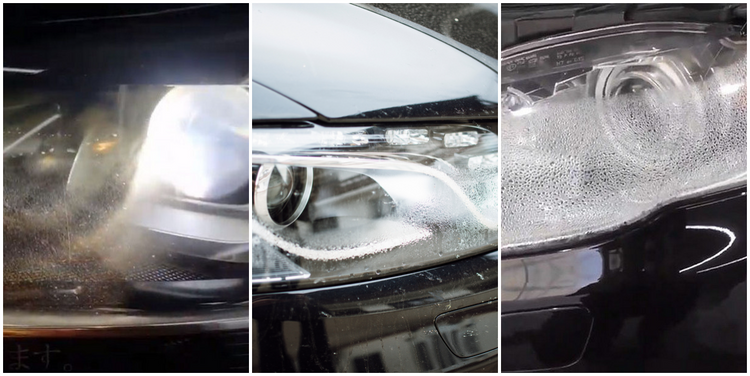
If you notice fog, water droplets, or moisture inside your headlights, fog lights, or tail lights, the short answer is this: a little temporary condensation can be normal, but visible water buildup usually means the light housing is leaking, poorly sealed, or unable to vent moisture properly.
This is one of the most common lighting questions across car forums, especially after heavy rain, washing the car, installing LED/HID bulbs, replacing a light assembly, or buying aftermarket lights. In this guide, we’ll break it down into three simple parts: what internal light condensation is, why it happens, and how to fix it.
What Is Water or Condensation Inside Car Lights?
Water or condensation inside a car light refers to moisture trapped within the light housing. It can appear inside:
- Headlights
- Fog lights
- Tail lights
- Daytime running lights
- Turn signal housings
Light condensation usually appears as a thin fog or mist on the inside of the lens. In mild cases, it may go away after the lights are turned on, the car is driven, or the vehicle sits in the sun.
Water intrusion is more serious. That usually looks like:
- Large water droplets inside the lens
- Streaks running down the inside of the housing
- Standing water at the bottom of the light
- Repeated fogging that never fully clears
- Bulb failure, flickering, warning lights, or corrosion
The key difference is time and severity. A light mist that disappears quickly is often normal. Heavy moisture, visible pooling, or condensation that keeps coming back usually means something needs attention.
Why Do Headlights, Fog Lights, and Tail Lights Get Moisture Inside?
Car lights are not always completely airtight. Many modern light housings have small vents that allow air pressure to equalize as the light heats up and cools down. Because of that, some moisture can enter with humid air and condense when the temperature drops.
Common causes include:
Temperature Changes
When warm, humid air inside the light meets a colder lens surface, condensation forms. This often happens after rain, car washes, cold mornings, or sudden weather changes.
Blocked or Damaged Vents
Most light housings need ventilation. If a vent is clogged, missing, damaged, or incorrectly positioned, moisture may get trapped inside instead of escaping.
Aging Seals
Over time, the seal between the lens and housing can dry out, crack, or separate. Rubber gaskets around bulb covers, tail light mounts, and rear access caps can also wear out.
Loose Rear Covers or Bulb Sockets
After replacing a bulb, the rear dust cap or socket may not be fully seated. This is especially common after LED or HID upgrades, where larger bulb bodies, cooling fans, or wiring adapters interfere with the factory cover.
Aftermarket or Modified Lights
Aftermarket headlights, custom retrofits, opened housings, painted lights, and projector conversions can all create new leak points if they are not sealed correctly.
Cracked Housings or Damaged Lenses
Stone chips, minor accidents, pressure washing, or poor installation can crack the housing or lens. Even a small crack can let water in.
Tail Light Gasket Leaks
Tail lights often leak from the rear gasket where the light meets the body. Water can enter during rain or washing, then collect inside the lens or trunk area.
How Do You Fix Condensation or Water Inside Car Lights?
The right fix depends on how severe the moisture is.
For light fogging, start by observing it. If the condensation clears after driving, sunlight, or using the lights, it may be normal. Make sure the bulb covers are tight and the vents are not blocked.
For repeated condensation, inspect the obvious sealing points first. Check the rear cap, bulb socket, rubber gasket, wiring pass-throughs, and vent openings. If the issue started after a bulb change or LED/HID upgrade, remove the bulb and confirm everything fits like factory.
For visible water droplets or pooling, the light should usually be removed, drained, dried, and inspected. Drying can be done carefully with airflow, sunlight, or very gentle heat. Avoid excessive heat, because it can warp plastic lenses or damage internal components.
Once the light is dry, find the leak source. Common repairs include:
- Replacing a rear dust cap
- Replacing a bulb socket seal
- Replacing a tail light gasket
- Clearing or replacing a vent
- Resealing the lens with proper automotive-grade sealant
- Replacing a cracked or defective housing
If the vehicle is still under warranty, document the issue with photos and videos before modifying anything. Dealers may replace a defective light assembly, but drilling holes, opening the housing, or applying sealant yourself can make warranty claims harder.
Avoid quick fixes that do not solve the real problem. Silica gel packets may temporarily absorb moisture, but they will not stop a leak. Drilling holes can create more problems. Household silicone can be messy, difficult to remove, and unsuitable for some light housings.
Bottom Line
A small amount of temporary condensation inside car lights can be normal, especially during humid or cold weather. But if you see water droplets, pooling, recurring fog, electrical issues, or corrosion, the light likely has a sealing, venting, or housing problem. The best repair is to dry the light, identify the leak source, and restore the original seal or replace the faulty part.